What ENNASI's EU REACH and CertiPUR‑US Certifications Mean for Your Import Program
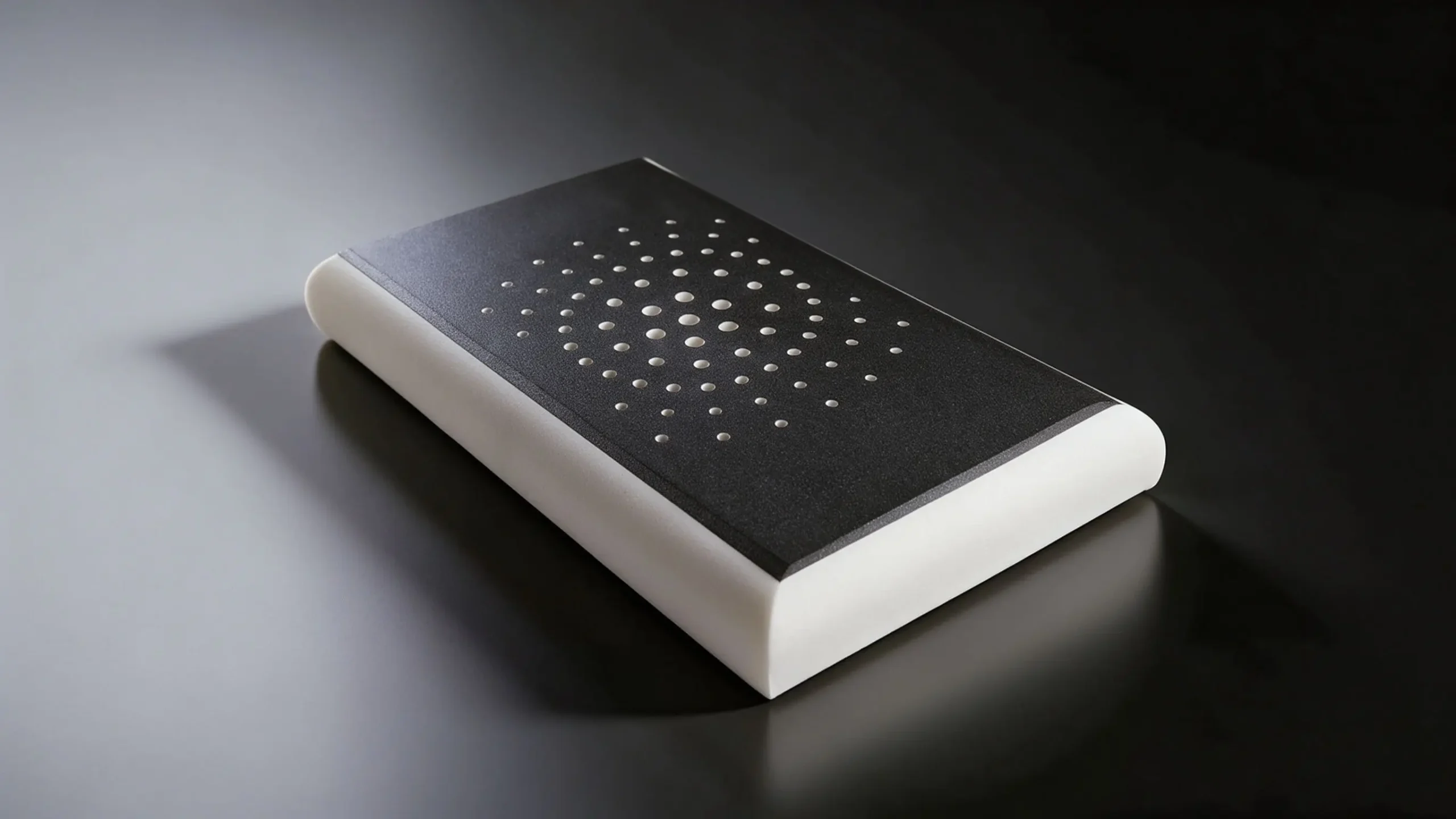
Importing memory foam into Europe or the Middle East without the right paperwork is a fast way to get a shipment held at the border. Buyers who have been through a customs delay want to know, before they place a PO, that the foam core and the cover fabrics meet the chemical and safety rules their destination enforces. This article explains what ENNASI actually certifies, what those test reports cover, and how they reduce risk on an inbound order.
The certification stack
ENNASI presents its compliance as a layered set rather than a single mark. The range passes EU REACH, the foam cores carry CertiPUR‑US certification, and the program references SGS, TUV and CE.
- EU REACH is the European Union regulation covering the registration, evaluation and authorization of chemicals. For a foam or textile product sold into the EU, REACH compliance covers restricted substances in the foam, the cover and the dyes.
- CertiPUR‑US is the foam‑specific certification. It governs what is allowed inside the polyurethane foam itself, which is where chemical scrutiny on pillows usually lands.
- SGS and TUV are independent testing bodies, and CE is the European conformity marking. ENNASI lists these as the references behind the compliance file.
For a buyer, that combination matters. REACH plus CertiPUR‑US covers the two things customs and retailers ask about most: harmful substances in the foam, and restricted chemicals across the product.
What the test reports actually check
When a buyer asks for the compliance file, they are asking what the reports measured. ENNASI’s inspection and compliance references center on the items customs and big retailers screen for:
- Formaldehyde, which is a regulated chemical residual in foams and textile dyes.
- Heavy metals, screened under REACH‑style testing.
- Other harmful or restricted substances that REACH limits in consumer goods.
The CertiPUR‑US foam certification sits on top of that, constraining what goes into the foam core, such as certain volatile organic compounds and ozone‑depleting substances. A CertiPUR‑US core means the pillow is not just a generic foam block; it is a foam that passed a defined chemical screen.
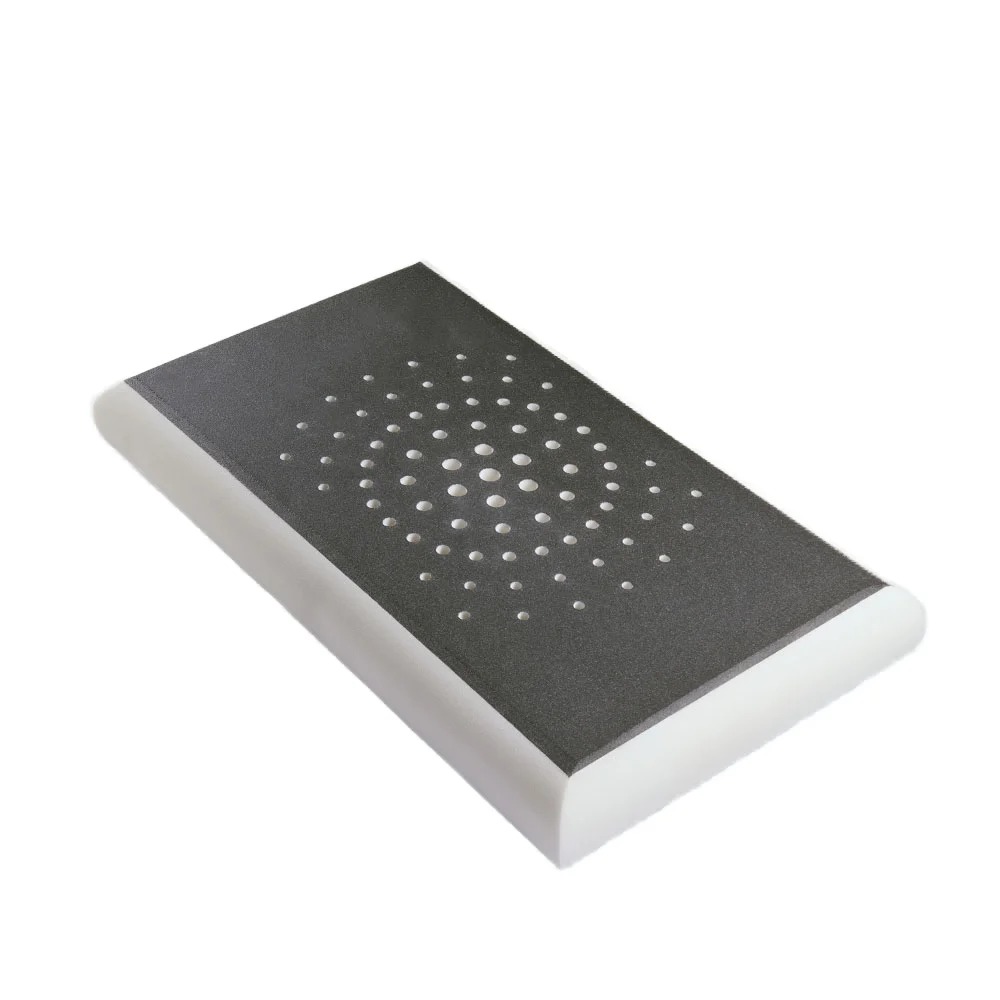
How the factory ties compliance to every batch
Certification is only useful if it is kept on the actual shipment. ENNASI runs a traceability system that links each production batch to its incoming materials, its production run, its packing and its shipping records.
The quality page describes a five‑point inspection matrix. Incoming materials are checked before production, covering cover fabric, foam feedstock, labels and packing materials. Foam performance is then tested for rebound, firmness and structural consistency. Sewing and fit are inspected for stitch lines, zip fit and piping. Packing verification confirms inserts, accessories, carton count and compression state. Traceability keeps the batch connected to the approved material and the shipping details.
In practice, that means the REACH and CertiPUR‑US documentation attached to a bulk order refers to the foam and fabrics actually used in that batch, not a one‑off test from years ago.
What actually gets screened
Buyers usually want to know the specific substances, not just the letter of the regulation. The chemical screen on these products centers on the items customs and big retailers flag: formaldehyde residuals in the foam and the textile dyes, heavy metals, and other restricted harmful substances covered under REACH.
The CertiPUR‑US certification narrows the focus further onto the foam core itself. It governs what enters the polyurethane, including volatile organic emissions and certain problem chemicals. For a pillow that sits against a customer’s face and head for hours each night, that foam‑level screen is the reassurance a retail buyer needs before listing the product.
The physical inspection sits alongside the chemical one. Firmness, rebound, breathability, seam strength and carton integrity are all checked, so the product reaching the border is both chemically compliant and structurally the piece that was approved.
De‑risking imports into Europe
For a European importer, the practical value is fewer border surprises. A product that already passes EU REACH and is backed by SGS and TUV references is far less likely to be detained over chemical content. CE conformity supports the general product safety position in the EU market.
A buyer can ask for the relevant test reports before sampling, confirm the foam core is CertiPUR‑US certified, and request that the batch traceability records travel with the shipment. That pre‑check removes the biggest import risk: opening a container to find the product was made with materials that do not match the certification.
De‑risking imports into the Middle East
The Middle East is a growing market for ENNASI, and buyers there face their own retail and hospitality procurement rules. A documented compliance file, with REACH and CertiPUR‑US references, gives a regional distributor or a hotel buyer the paperwork they need to present to procurement teams.
For retail distribution and hotel comfort programs, being able to show that the foam core is certified and the cover materials are tested is often the difference between a buyer moving forward or walking away. ENNASI has been building a strategic partnership in the region specifically to support aviation supply, hotel comfort programs and retail distribution with that documentation ready. Regional buyers stocking private‑label pillows can request the same compliance file a European importer would expect, which shortens onboarding and builds trust with local procurement teams.
Ask for the file before you sample
Compliance should never be an afterthought. Before placing a trial order, request the REACH documentation, the CertiPUR‑US foam certificate, and the SGS, TUV or CE references relevant to your destination. Confirm they match the product family you intend to sell. Then sample.
It is also worth asking how the reports are kept over time. A factory that runs batch traceability can tie the certificate on file to the foam actually poured in your production run, which protects you if a retailer requests documentation months after the goods are on shelves.
When the paperwork is in order and the batch traceability is in place, a memory foam import into Europe or the Middle East becomes a predictable operation rather than a gamble at the border.