How to Spec Memory Foam Pillows and Cushions for Your Private Label Program
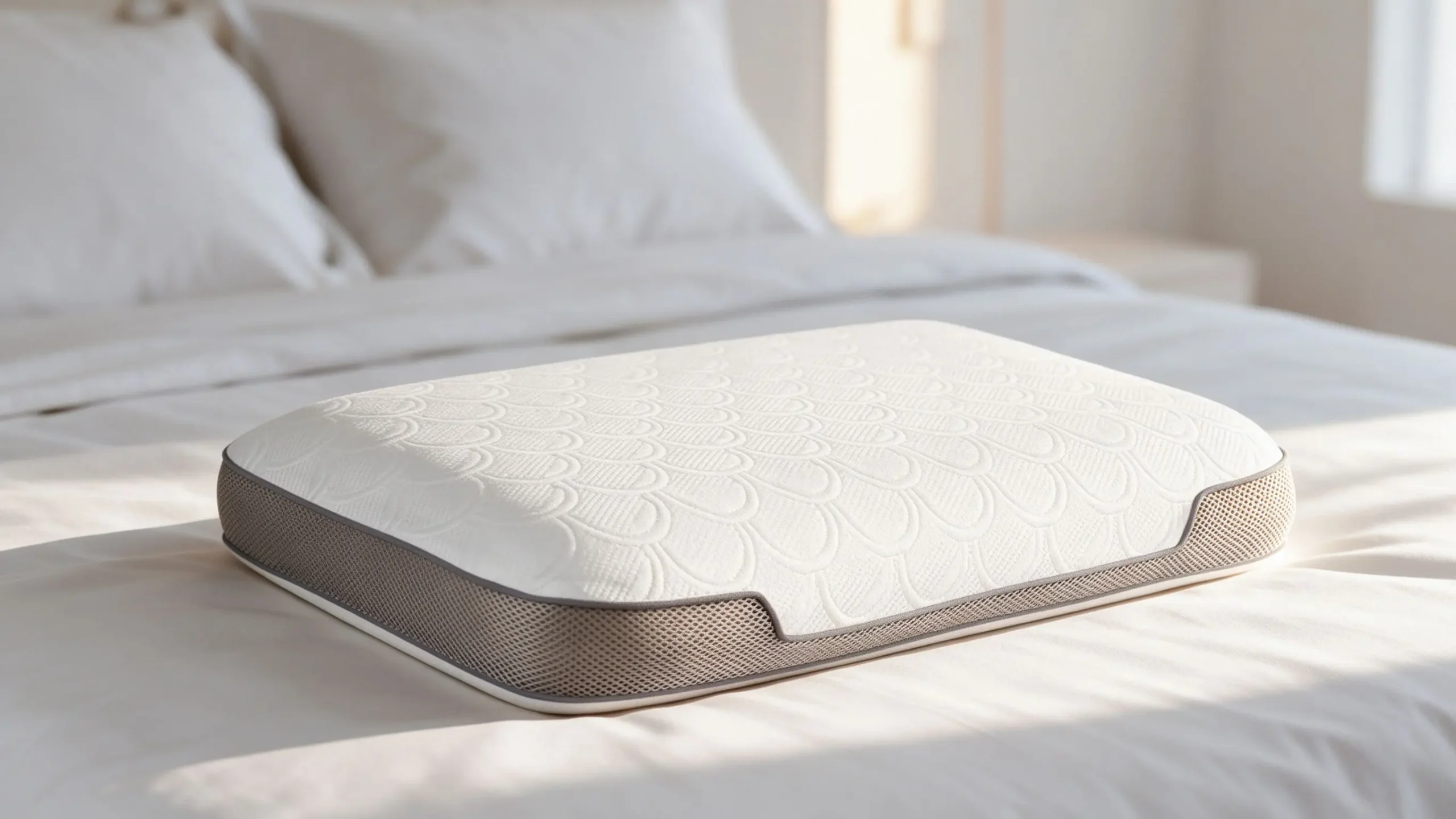
Most private label pillow programs go wrong before production even starts. The buyer picks a shape, approves a sample, and only discovers months later that the foam is too soft for their market, the cover fabric pills, or the pillow does not rebound after shipping. The fix is to spec the product on paper first, then sample. This guide walks through the decisions ENNASI expects from a serious sourcing team.
Start with foam density and feel
The foam core is the single most important decision. Memory foam density changes support, weight, price and durability. A low‑density core feels soft and inexpensive but flattens faster. A high‑density core holds its shape, rebounds slowly and commands a higher price point.
ENNASI runs high‑density foaming on its production lines, and the factory story centers on rebound stability. Before you quote, decide what your customer expects: a soft sink‑in pillow for a value market, or a firm orthopedic pillow that supports the neck for a premium listing. State that feel in the brief.
Ask about the 72‑hour curing cycle
This is the detail separates a reliable foam supplier from a cut‑rate one. ENNASI runs a 72‑hour constant‑temperature curing step after foaming. The purpose is to reduce internal stress in the freshly poured foam and to let the slow‑rebound behavior settle before the core is cut and cased.
Why does that matter to you? Memory foam is folded and compressed for export shipping. If the core still holds internal stress when it gets packed, it can arrive distorted or slow to recover. A properly cured core opens cleanly from compression, rebounds at the right speed, and keeps its support across repeat orders. When you compare suppliers, ask how long they hold the foam and whether the curing temperature is controlled.
Test firmness and rebound before bulk
The approved sample is the production reference. Before bulk production, ENNASI checks rebound, firmness and structural consistency against that sample. As a buyer, you should do the same.
When you receive a sample, press the foam firmly with your hand and watch how it slowly returns. A healthy slow‑rebound core takes a few seconds to reshape, not an instant bounce and not a permanent dent. Bend the pillow. Let it sit for a day after you open it. That small test tells you more than a spec sheet about whether the foam will survive shipping.
The factory inspection matrix also covers breathability, seam strength and carton integrity, so the product is checked beyond just the feel.
Pick the cover fabric from a real library
The cover changes the product’s price point and its perceived quality. ENNASI offers a defined cover material library rather than a vague “we can do fabric.” The options include:
- Ice silk, for a cool‑to‑touch retail feel.
- Bamboo fiber, marketed naturally for softness and breathability.
- Velvet or jacquard velvet, for a plush travel or gift feel.
- Milk silk, for a smooth, skin‑friendly surface.
- Mesh and 3D air mesh, for maximum airflow on lumbar and seat cushions.
- Cotton, for the familiar natural cover buyers trust.
The brief map also lists crystal super soft, air layer, nylon and suede, so the choice spans budget to premium. Match the fabric to your channel: ice silk and bamboo for sleep pillows marketed to hot sleepers, mesh for office and car cushions, velvet for travel kits and gift sets.
Decide shape, height and the removable cover
Shape and height are the next spec. A contour or butterfly‑shaped sleep pillow supports side and back sleepers differently than a simple flat rectangle. U‑shaped travel pillows need a specific neck cavity. Lumbar cushions need the right waist height for an office chair versus a car seat.
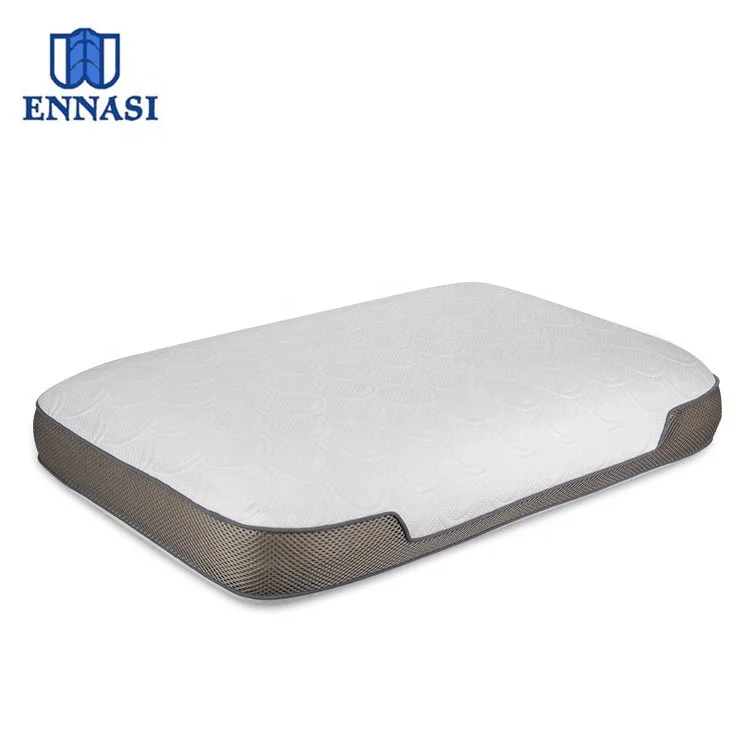
Nearly every program should plan for a removable, washable cover. A zip‑off cover is expected on sleep pillows and easy‑care cushions. It lets the end user keep the product clean and it lets the factory use an inner liner. Spec the zipper, the piping and the mesh side panels if you want airflow.
Packaging and set composition
Finally, decide how the product ships. ENNASI offers poly bags, storage bags, gift boxes, compression bags, retail cartons and custom insert cards. Compression reduces freight on bulky pillows. Gift boxes raise the perceived value for retail. A travel pillow kit might pair the U‑pillow with an eye mask and ear plugs in a pouch.
Send the factory a clear brief with target channel, shape and size range, foam feel, cover fabric, logo position, packing method and set composition. The approved sample becomes the reference. Start with a trial order, then lock the SKU for repeat supply.
The approved sample is the production reference
One habit separates smooth sourcing from costly rework. The physical sample you approve must be treated as the production reference, not as a one‑off nice‑to‑have. Before bulk starts, the factory locks that piece and checks every production unit against it for rebound, firmness, support shape, cover fit and seam standard.
As a buyer, you should do the same. Put your approved sample aside after sign‑off. When the first bulk shipment arrives, compare it against that reference. If the foam feels softer, the cover fabric looks different, or the zipper sits differently, you have evidence before the goods go on shelves. That comparison catches the most common private label problem: the first sample is great, the bulk run quietly drifts.
Your pre‑sampling checklist
Before you ask for a quote, it helps to have these answers written down:
- The target channel: e‑commerce, retail, hotel, office, travel or automotive.
- The shape and size range you want, from simple rectangles to contour, U‑shape or lumbar forms.
- The foam feel: soft, medium or firm, and any density target your market expects.
- The cover fabric from the library, plus whether it needs to be removable and washable.
- The logo method and position, and the packaging style for the channel.
A buyer who sends that brief gets a faster sample, a more accurate quote, and a production run that matches the piece they approved.
The payoff of a written spec
When you spec density, curing, firmness, fabric, shape and packaging up front, sampling goes faster, the first bulk order matches the approved piece, and reorders stay consistent. That is how a private label program stops being a gamble and becomes a repeatable product line.